
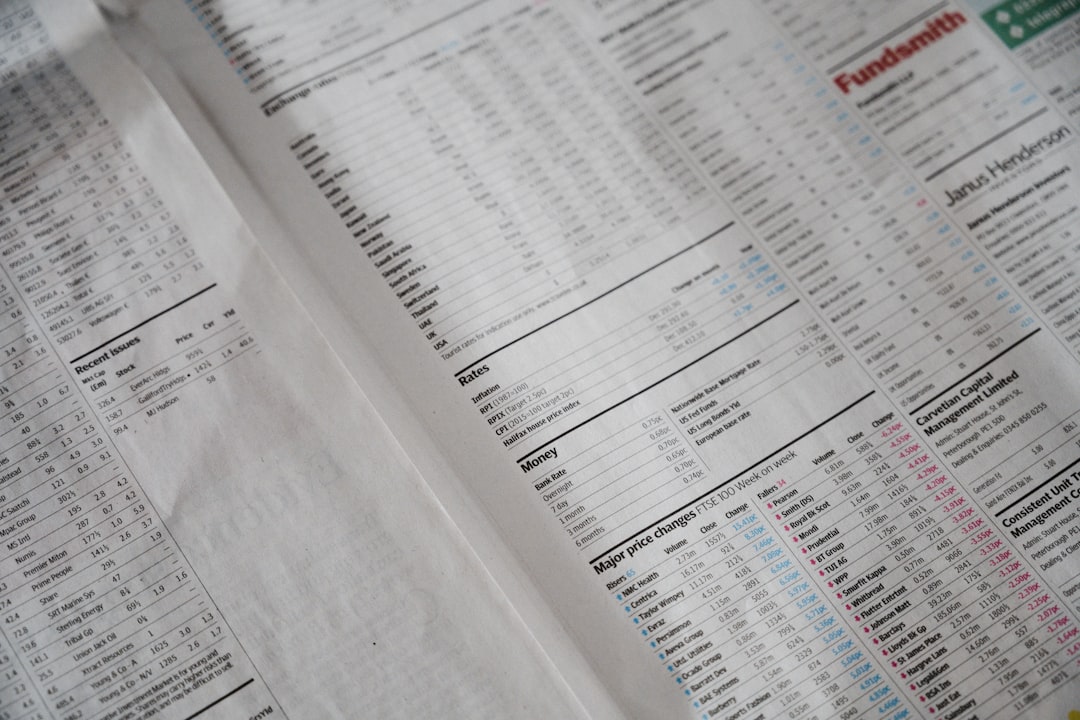
Financial statements are the report cards of a company. While they may look intimidating, learning to read them is essential for any serious investor. At Gujju Traders, we break down complex financial data into actionable insights for retail investors.
1. The Profit & Loss (P&L) Statement
This shows the company’s revenue, expenses, and profit over a specific period. Look for consistent revenue growth and stable or improving operating margins. A company that grows revenue but sees shrinking profits may have rising costs that it can’t control.
2. The Balance Sheet
This is a snapshot of what the company owns (assets) and what it owes (liabilities) at a specific point in time. Pay close attention to the Debt-to-Equity ratio. A clean balance sheet with low debt and high reserves is a sign of financial strength.
3. The Cash Flow Statement
This tracks the actual cash moving in and out of the business. It is divided into three parts: Operating, Investing, and Financing activities. Always check if the Cash Flow from Operations is positive and ideally higher than the Net Profit. This ensures the company is actually collecting cash from its sales.
What to Look For
- Consistency: Look for trends over 5 years, not just one quarter.
- Debt Levels: Is the company taking on too much debt to fuel growth?
- Efficiency: How well is the company using its assets to generate profit (ROE and ROCE)?
Conclusion
Financial statements provide the raw data, but interpretation is key. Gujju Traders helps you look beyond the numbers to understand the story they tell about a company’s future. Start small, focus on the basics, and your confidence will grow with every report you read.